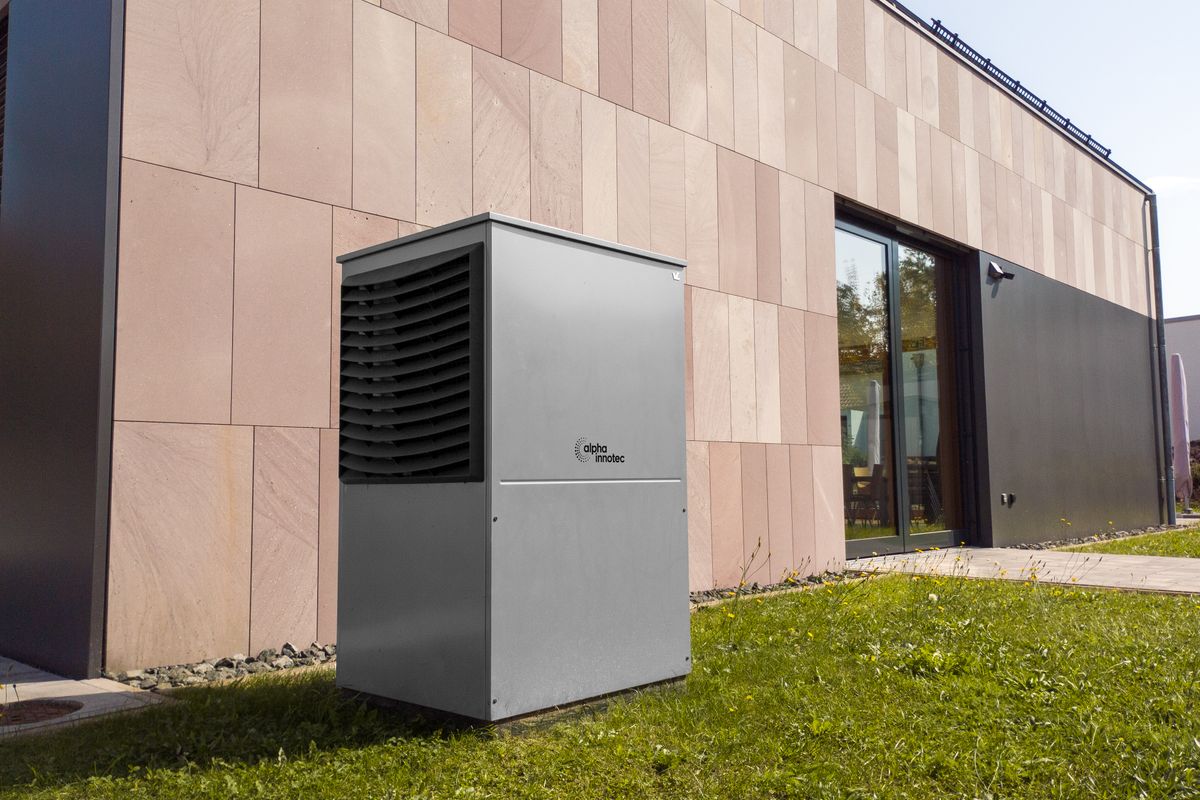
Short answer: an AC repair in Irving is really two different jobs under one city name, and which one you have depends on which half of town you live in. On the Las Colinas side the condenser and often the whole system sit on a rooftop, a mechanical penthouse, or a shared balcony, so repairing one is partly an access job - who can reach the equipment, who has to approve it, and how it gets serviced without disturbing a mid-rise building. On the established single-family side - Hackberry Creek, the blocks around the old downtown, the streets west of Highway 183 - the equipment is more likely a conventional attic split system that has been running for a decade or more, much of it still on refrigerant that is no longer manufactured. Same North Texas heat in both halves; a different set of things to check first, and a different answer to the question of what a repair will involve.
The two halves of Irving drive two different service visits
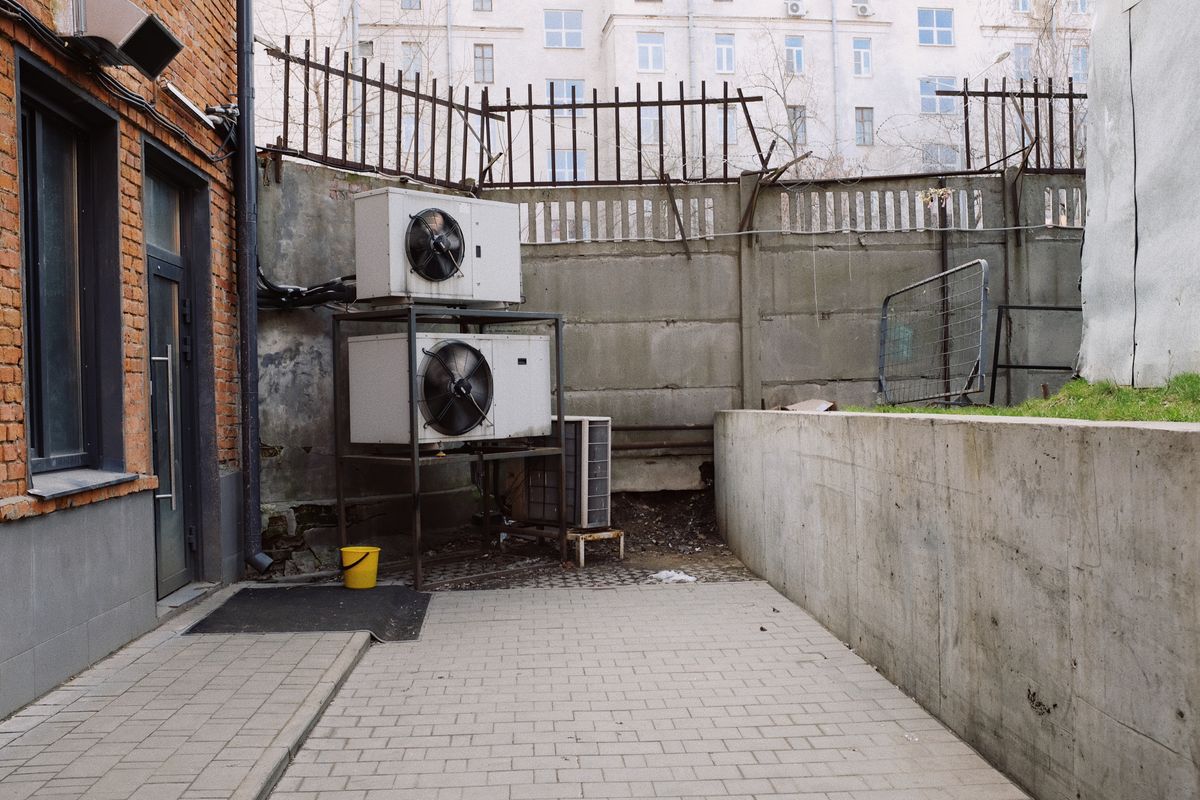
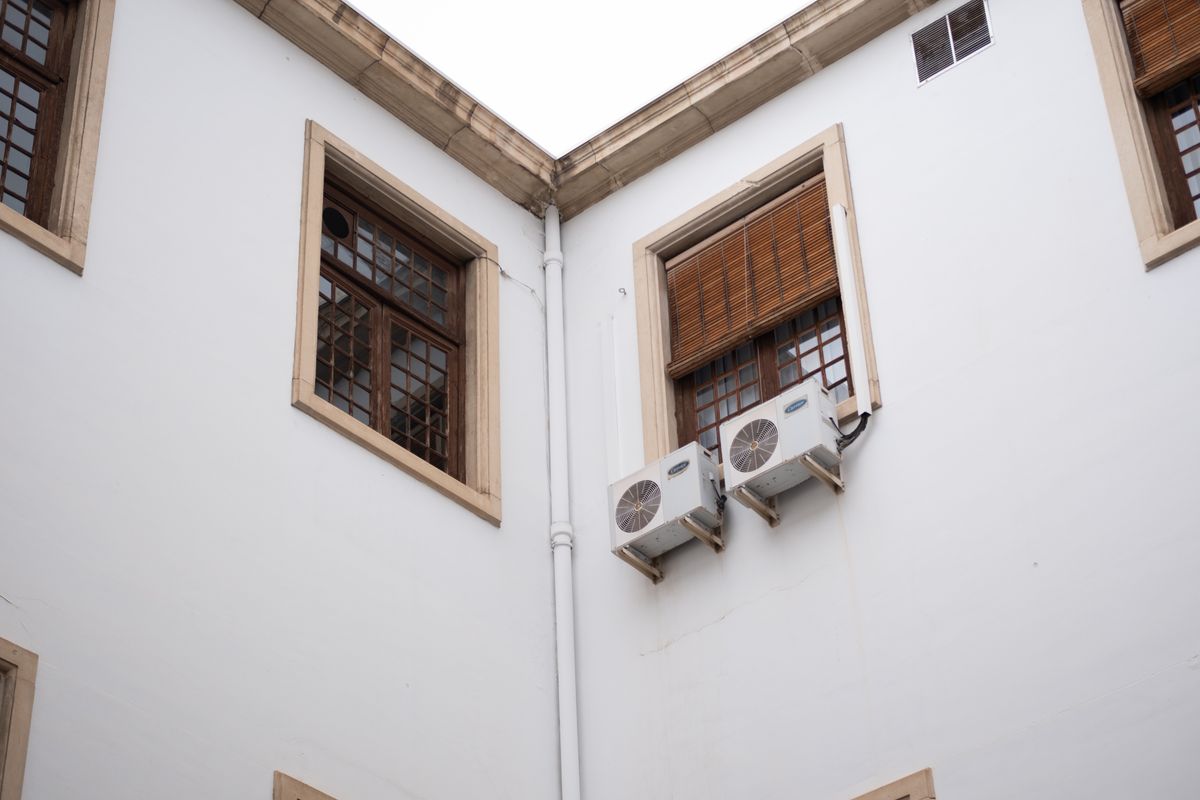
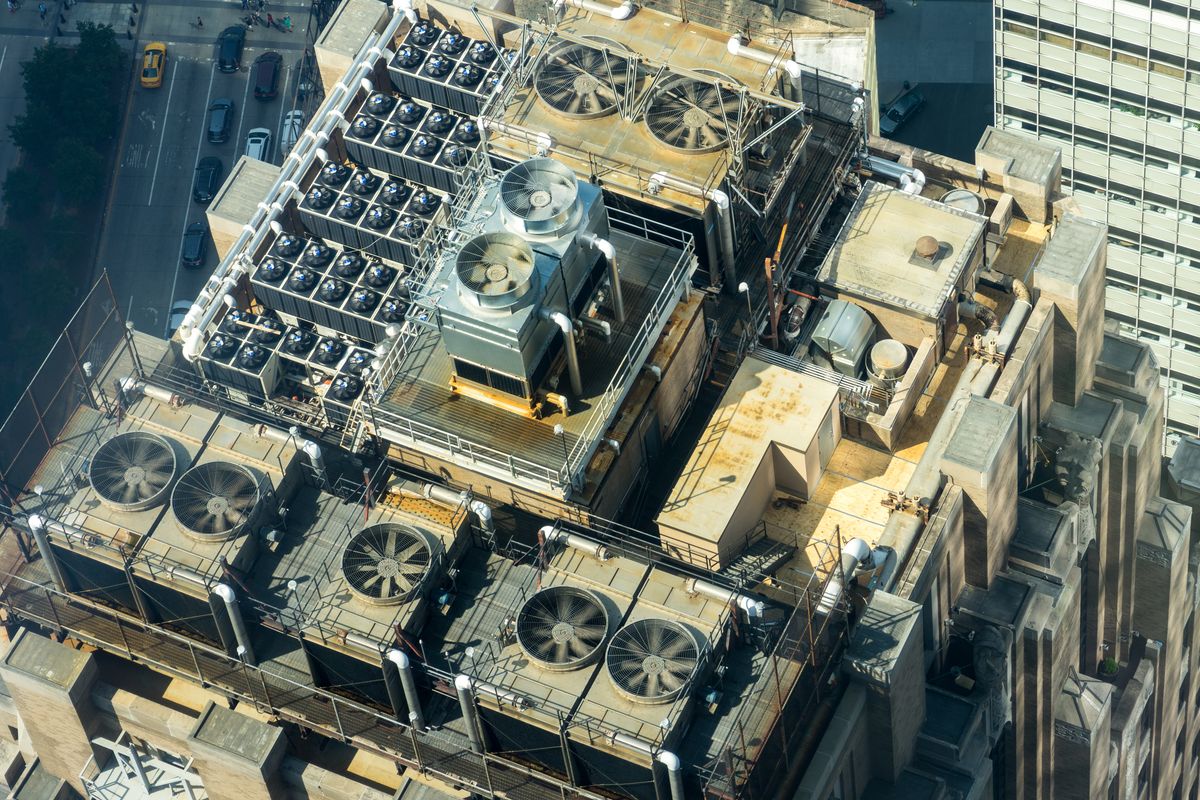
Irving's geography is the reason a repair here starts with a question most AC companies never ask: where is the equipment, and who controls access to it? In Las Colinas, around Lake Carolyn and up through the corporate towers and the newer builds near the Toyota Music Factory, a large share of cooling equipment lives on the roof or tucked into shared mechanical space. A service call there is frequently coordinated through property management, and on some buildings it needs the association's preferred-contractor rules satisfied before a technician touches anything. In the established residential half - the ranch-style and mid-century brick blocks off Irving Boulevard, around the older downtown, and out toward Hackberry Creek and the airport approach - the equipment is almost always on a concrete pad or in an attic that the homeowner controls directly, and the call is straightforward to schedule.
Neither half is harder to cool. They just fail and get fixed differently, and a company that treats Irving as one undifferentiated suburb is going to show up to one or the other unprepared. The useful thing you can do before calling is know which category your unit falls in: a rooftop or balcony condenser behind a locked mechanical room is an access conversation first, while a conventional attic split is a straight repair call. That single detail decides how fast the visit can actually happen, more than anything else you will tell us.
Rooftop and balcony units: the repair is partly an access job
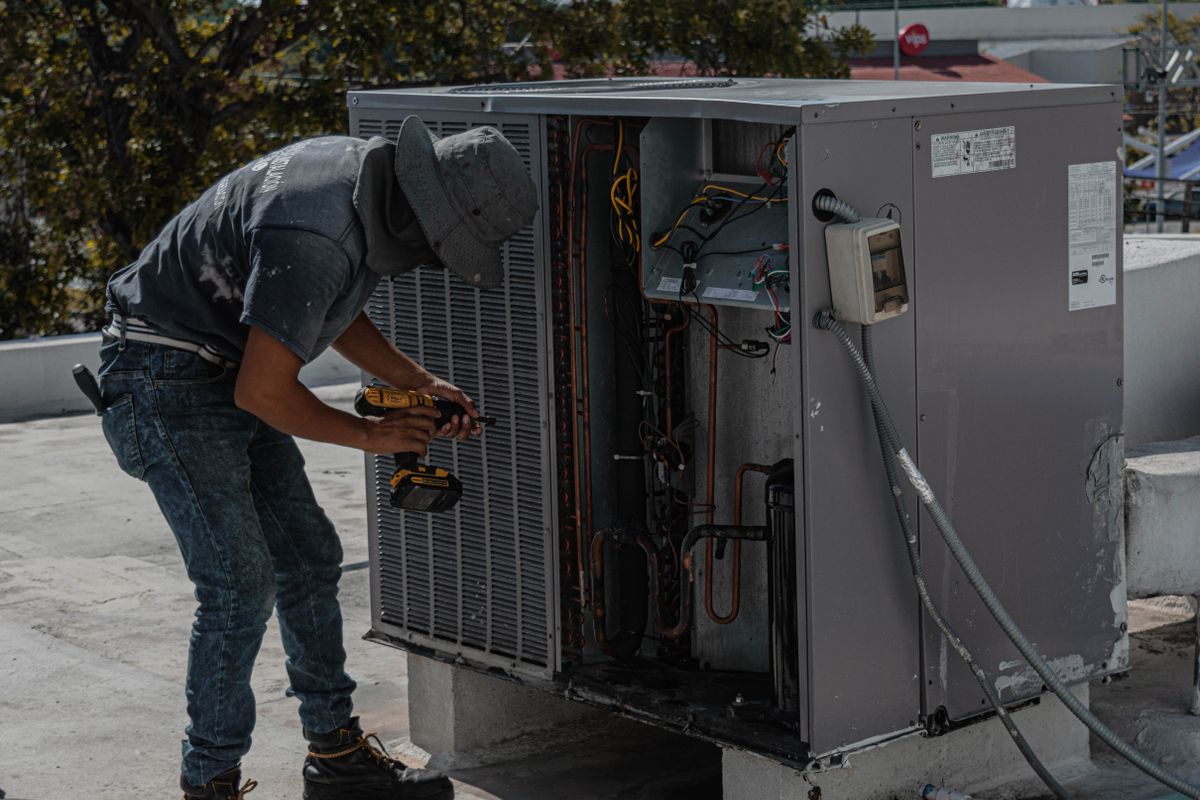
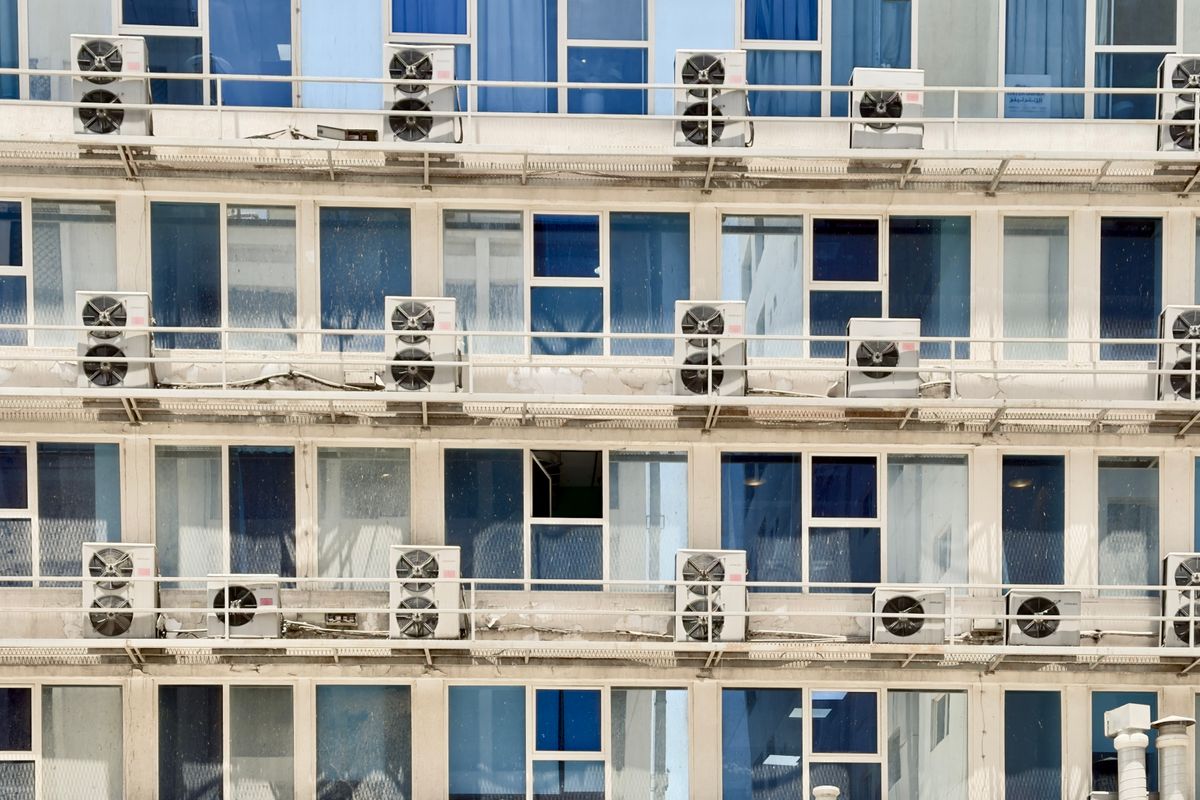
Las Colinas has more mid-rise and tower living than almost anywhere else in the metro, and that changes AC repair in a way the parts list never captures. A condenser on a shared rooftop cooks in the July sun even harder than a ground-level unit, so capacitors, contactors, and fan motors there fail sooner and more often - the same small electrical parts that die on a suburban pad, but with a shorter working life because of the heat they sit in. Reaching them, though, is the part that surprises people. A rooftop repair can mean a ladder, a key to a locked mechanical room, or coordination with whoever manages the building, and on association-governed buildings there is often an approval step before anyone comes up. It is never a barrier to getting you cooled; it is a scheduling reality, and the fastest way to shorten it is to have the association or property-management contact ready when you call and to confirm the access arrangement before we book.
The other reason rooftop equipment deserves a different eye is that a fault on one unit often looks like a building problem. If a tower or a townhome building has a couple of systems on a shared pad, a unit that has lost its charge or cooked a contactor can make the whole floor feel uneven, and tenants understandably read that as a maintenance issue rather than a single failed condenser. When a repair is actually performed up there, the work itself - sealing the roof penetration, protecting the curb joint, checking that the replacement part is rated for the heat exposure - matters more than it does on a slab, because you are paying for the access every time something fails. That is a large part of why we treat rooftop calls as worth doing properly the first time rather than returning to a hard-to-reach unit repeatedly.
The established-home half: attics, R-22, and the parts heat kills
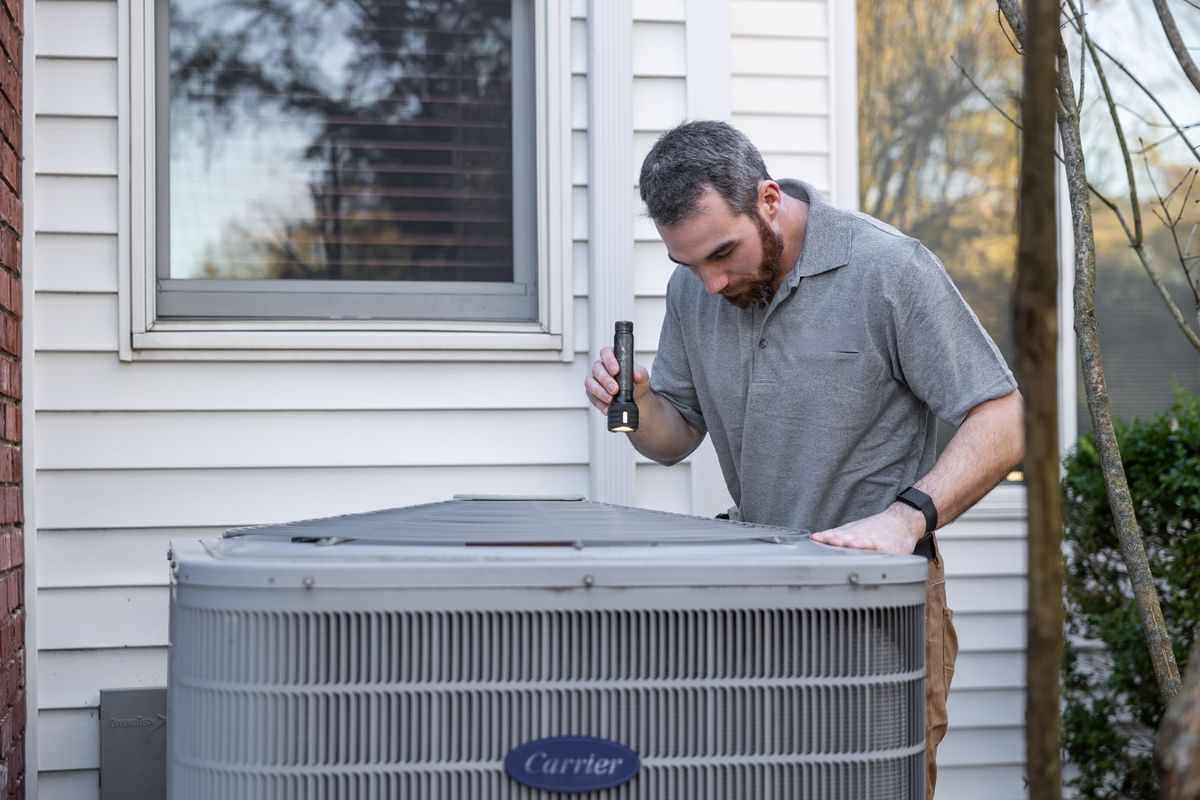
Across the older residential Irving, the air handler and the evaporator coil sit in an attic that routinely tops 140 degrees by August, and that placement is the single biggest driver of what we repair out there. Heat degrades the small electrical components first - the run capacitor, the contactor, the condenser fan motor - which is exactly why the most common Irving summer call is a cheap part that gave out under load rather than a dead compressor. When a system hums, tries to start, and stops, or when the outdoor fan only turns if you give it a nudge, the capacitor is the first suspect and the part most likely to be the whole story.
The age of the housing shows up in the refrigerant too. A meaningful share of the older Irving systems still run R-22, which stopped being manufactured years ago and now exists only as expensive reclaimed stock. On that equipment a refrigerant leak is not a routine top-up: the cost of the gas and the age of the machine together often push the decision toward replacement sooner than the mechanical fix alone would justify. If a technician suggests recharging an older unit, the honest first question is where the charge is going, because topping off an R-22 system without locating the leak means paying for the same gas again before the next heat wave. The leak repair and recharge service in Irving starts with that search, not with the can.
Older Irving homes are also where the other quiet failure lives: ductwork in a hot attic that leaks conditioned air out into a space nobody occupies. A house that runs constantly yet still has a warm room is far more often fighting a distribution problem than a dying machine, and no amount of refrigerant changes that. When we find the airflow story, we tell you plainly and price it as a separate duct repair and sealing job instead of wrapping it into a mechanical fix that cannot change it.
What we actually check first on an Irving call
Because Irving's two halves fail so differently, the check order on a visit is shaped by where the equipment sits rather than by a generic script. On a conventional attic split we start with the condensate path and its safety float switch - the most common reason an older Irving system turns itself off with nothing mechanically wrong is a blocked drain that filled the pan and tripped the switch on purpose. From there we read the run capacitor against the rating stamped on the can, because a part that has drifted down will still start the compressor on a mild day and fail on the hottest one. On a rooftop or balcony unit, access and the roof-side details come first, then the same electrical testing, then a look at whether the unit is rejecting heat properly in the space it actually sits in.
Whatever the configuration, the principle is identical: before we open anything, we let the equipment show us what it is doing on its own. The system is run in the failing mode, temperatures and pressures are read on both sides, and the electrical parts are tested while they are actually drawing current rather than sitting idle - a capacitor that checks out fine at rest can give up the moment the compressor pulls hard on it, and that kind of on-again, off-again fault is behind plenty of "it worked when he left" stories. If you want to understand what is happening before you book, our guide on why an AC is not cooling walks through the fast, safe checks you can do yourself.
How we price an Irving repair
Pricing here works the same way it does across the metro, and it does not reward guessing: we find the actual fault, give you one flat number for that specific repair, and you approve it before any work starts. There is no hourly meter and no surprise line that appears on the invoice after the fact. Because the components that wear out first out here - the capacitor, the contactor, the float switch, a common fan motor - are carried on the truck, the great majority of Irving jobs are completed in the single visit where the cause is found rather than turned into a second appointment while a part is ordered. If you want a rough idea of what different repairs run before you dial, our Dallas-area AC repair cost breakdown lays out honest ballpark figures and what pushes them up or down.
Two Irving-specific things are worth saying about the price. First, a rooftop or balcony job can carry more than a ground-level repair because of the access - a lift, extra labor, or coordination through building management - and we quote that up front rather than discovering it on the invoice. Second, on the older residential side, the single biggest price driver is whether the unit runs R-22, because a recharge on that equipment costs multiples of a modern system's gas. Both are the kind of thing a straight quote should make visible before you commit, not after.
When fixing an Irving unit stops making sense
Some units cross the line where patching them is no longer the smart money, and we would rather raise that yourself than watch you spend twice. The arithmetic weighs the same inputs on both sides of town: how old the equipment is against what a system in this climate realistically has left, what the specific repair runs next to a replacement, whether the compressor is the failing part, and what refrigerant the unit takes. A capacitor or contactor on a system near the ten-year mark is an easy, worthwhile swap that returns years of use. But when a compressor lets go, or an R-22 unit deep into its second decade needs something major, the dollars usually favor replacement - you would be putting real money into a machine whose useful life is mostly behind it. The Dallas repair-versus-replace guide goes through the logic, and where new equipment is the honest recommendation, AC installation in Irving handles the sizing, the changeover, and the association and rooftop paperwork a Las Colinas job brings along.
What an Irving service call looks like
Every visit here follows the same order no matter which half of town you are in. We confirm where the unit is and how it is reached, run it in the mode that is failing while we read temperatures and pressures, test the electrical side under load, and check the condensate path and float switch as standard practice, since drainage trouble is the fault this housing throws at us most. You get the finding in plain language and a flat number for the fix, you sign off on that figure, and only then does anyone start work.
If the cooling is out entirely in serious heat and the place is not livable, tell us that on the phone and we route it as same-day emergency service in Irving instead of a normal appointment. If the system is running fine but simply has never had a professional look at it, the spring tune-up in Irving is where a capacitor or a slow charge leak gets caught while the correction is still a small planned item - well before it becomes a July failure. Whether your unit sits on a Las Colinas rooftop or in a Hackberry Creek attic, the promise is the same: find the actual cause, quote it honestly, and fix it right the first time.